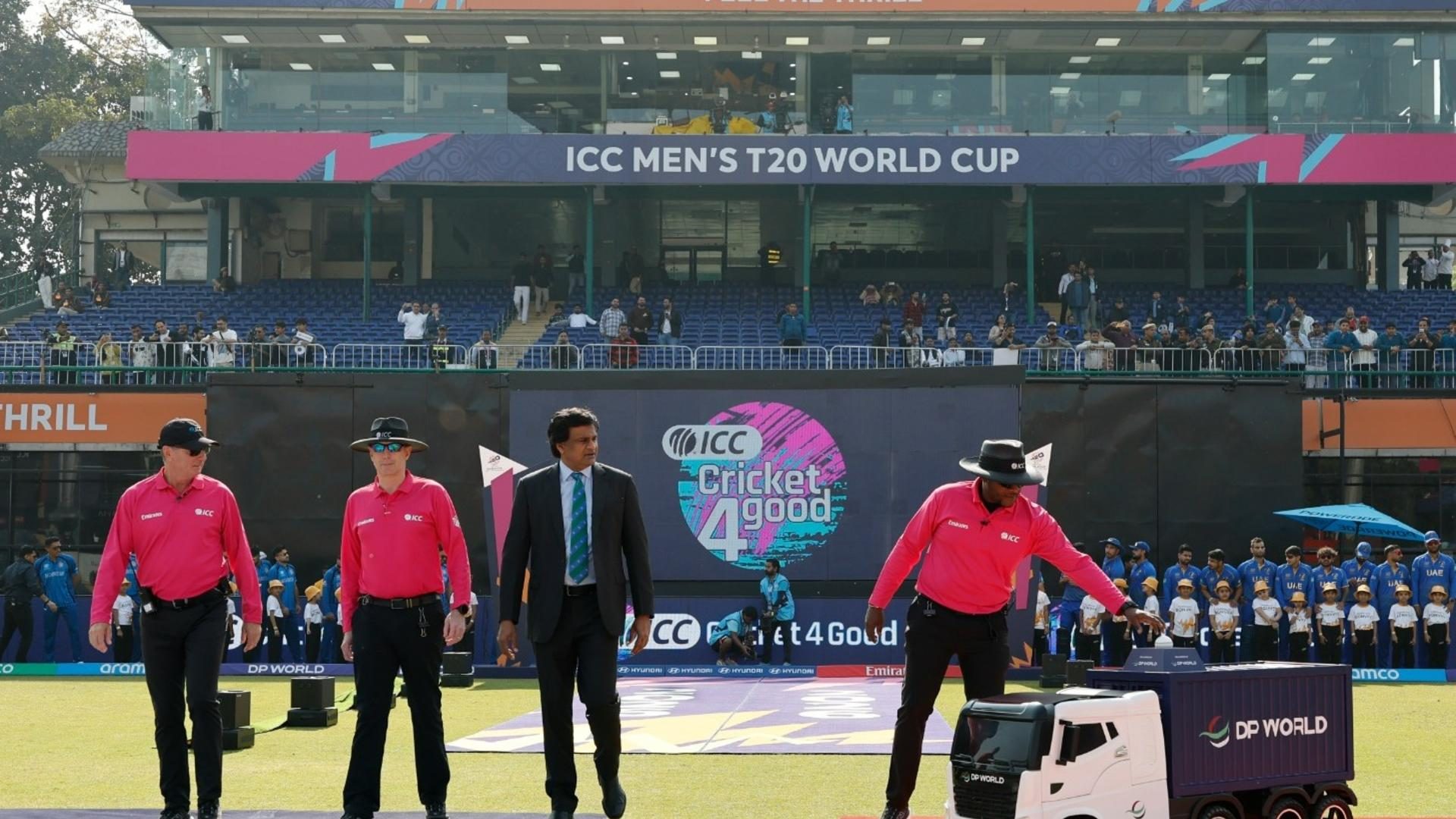
The Unsung Heroes: Unveiling the Officials for the India vs England T20 World Cup Semifinal
As the T20 World Cup 2026 hurtles towards its electrifying conclusion, anticipation reaches fever pitch for the second semifinal clash between cricketing giants India and England. Slated to unfold in the bustling metropolis of Mumbai on March 5, this encounter promises a spectacle of skill, strategy, and high-octane drama. While the spotlight invariably shines brightest on the players and their on-field heroics, an equally critical team of individuals prepares meticulously behind the scenes: the match officials. These esteemed individuals, entrusted with upholding the integrity of the game, ensuring fair play, and making crucial decisions under immense pressure, are the unsung heroes whose performance can subtly yet significantly influence the course of a match. The International Cricket Council (ICC) has carefully curated a panel of experienced and respected umpires and a match referee for this monumental
India vs England T20 World Cup semifinal. Their collective expertise is vital to delivering a fair and seamless contest, allowing the focus to remain squarely on the exceptional cricketing talent on display. This article delves into the complete list of
India England T20 officials, examining their roles, their impressive backgrounds, and the critical importance of their presence in such a high-stakes encounter.
The Esteemed Panel for India vs England's Epic Clash in Mumbai
The ICC's selection process for knockout stage officials is rigorous, prioritizing experience, impartiality, and a proven track record of accurate decision-making. For the highly anticipated India vs England T20 World Cup semifinal in Mumbai, scheduled for 7 PM local time (1:30 PM GMT) on March 5, a truly international panel has been appointed. This global representation underscores the universal spirit of cricket and the commitment to neutral officiating in pivotal matches.
Here is the complete list of officials who will oversee this crucial encounter:
*
On-Field Umpires: Chris Gaffaney (New Zealand) & Allahuddien Paleker (South Africa)
*
Third Umpire: Adrian Holdstock (South Africa)
*
Fourth Umpire: Paul Reiffel (Australia)
*
Match Referee: Andy Pycroft (Zimbabwe)
Each member of this distinguished panel brings a wealth of experience to their respective roles, having officiated numerous international matches across formats. Their presence provides an assurance of quality and fairness, crucial for a contest of this magnitude.
Experience and Expertise: A Closer Look at the On-Field Umpires
The on-field umpires are arguably the most visible and influential officials, making instantaneous decisions that can alter the momentum of a game. For the India vs England semifinal, the ICC has appointed two seasoned professionals: Chris Gaffaney and Allahuddien Paleker.
Chris Gaffaney (New Zealand): A highly respected figure in international cricket, Gaffaney's appointment for this semifinal is a testament to his consistent performance and calm demeanor under pressure. Hailing from New Zealand, Gaffaney has a significant track record, having officiated across numerous ICC events and bilateral series. Interestingly, he also oversaw proceedings when these two teams met at the same stage in the 2024 edition of the tournament, providing him with unique insight into the dynamics of an India-England semifinal. His familiarity with high-pressure situations, coupled with his deep understanding of the laws of cricket, makes him an ideal choice for this crucial role. On-field umpires face intense scrutiny with every decision, from leg-before wicket calls to wide and no-ball signals, all of which demand unwavering focus and precision.
Allahuddien Paleker (South Africa): Joining Gaffaney on the field is South Africa's Allahuddien Paleker, another umpire known for his meticulous approach and unflappable temperament. Paleker has been an active figure in the current T20 World Cup, having officiated two of England’s matches earlier in the tournament, along with India's dominant victory over the Netherlands. This recent experience with both teams, particularly England, offers him valuable firsthand knowledge of their playing styles and player behaviors. His steady presence is vital, especially when emotions run high, ensuring that play continues within the spirit and laws of the game. The synergy between the two on-field umpires is paramount, as they often consult each other and work in tandem to ensure the most accurate judgments are made.
The Crucial Support System: Third, Fourth Umpires, and Match Referee
While the on-field umpires are at the heart of the action, the integrity and smooth conduct of the match are equally dependent on the specialized roles played by the third umpire, fourth umpire, and match referee. These officials form a comprehensive support system, leveraging technology and expertise to ensure every aspect of the game is managed effectively.
Adrian Holdstock (South Africa) – Third Umpire: The role of the third umpire has become increasingly pivotal with the advent of technology like the Decision Review System (DRS). Adrian Holdstock, also from South Africa, will be responsible for reviewing on-field decisions referred to him by the standing umpires or requested by the teams. This includes intricate calls regarding dismissals (caught, run-out, stumped, LBW), boundary infringements, and no-balls. Holdstock's ability to analyze replays from multiple angles under time pressure is critical. His decisions, often made in consultation with ultra-edge, ball-tracking, and slow-motion cameras, are final and have a direct impact on the game's outcome, highlighting the immense trust placed in his judgment and technological prowess.
Paul Reiffel (Australia) – Fourth Umpire: Australia's Paul Reiffel, a former international cricketer himself, will serve as the fourth umpire. While less visible, the fourth umpire performs essential behind-the-scenes duties that are vital for the smooth running of the match. His responsibilities include managing player equipment, ensuring substitutes and replacements adhere to regulations, monitoring pitch conditions, and handling various administrative tasks throughout the day. Reiffel also acts as a backup, ready to step in as an on-field umpire or third umpire should an unforeseen circumstance arise. His experience as a player offers a unique perspective, enabling him to anticipate needs and maintain order efficiently.
Andy Pycroft (Zimbabwe) – Match Referee: Overseeing the entire match proceedings and ensuring adherence to the ICC Code of Conduct is Zimbabwe's Andy Pycroft, the appointed match referee. Pycroft, a former international cricketer for Zimbabwe, brings a wealth of experience in managing the decorum and discipline of the game. His role is to ensure that the spirit of cricket is upheld by all participants – players, coaches, and support staff. He has the authority to impose sanctions for breaches of conduct, such as dissent, slow over-rates, or inappropriate behavior. Pycroft's impartial oversight is paramount in maintaining a respectful and competitive environment, ensuring that any disputes or disciplinary issues are handled fairly and transparently. His decisions are final and play a vital role in preserving the integrity of the tournament.
The Broader T20 World Cup Knockout Stage Officials
While our focus remains on the
India England T20 officials, it’s worth noting that the ICC’s meticulous planning extends to all knockout matches. For the first semifinal between South Africa and New Zealand, scheduled in Kolkata on March 4, a separate, equally distinguished panel has been named. Richard Illingworth and Alex Wharf will officiate on the field, with India’s Nitin Menon as the third umpire, Rod Tucker as the fourth umpire, and India’s Javagal Srinath as the match referee. This parallel selection process for both semifinals demonstrates the ICC's commitment to deploying top-tier officials across all high-stakes encounters, ensuring consistency and fairness throughout the tournament’s critical final stages. The blend of nationalities and experience across both panels speaks volumes about the global nature of cricket officiating and the rigorous standards applied by the governing body.
Conclusion
The India vs England T20 World Cup semifinal is not just a battle between two formidable cricketing nations; it is also a testament to the global nature and intricate machinery of international cricket. The carefully selected panel of
India England T20 officials – Chris Gaffaney, Allahuddien Paleker, Adrian Holdstock, Paul Reiffel, and Andy Pycroft – are pivotal to ensuring a fair, unbiased, and seamlessly conducted contest. Their collective experience, unwavering impartiality, and deep understanding of the game’s laws will be under intense scrutiny, yet their professionalism is the bedrock upon which the integrity of this crucial match stands. As cricket fans worldwide brace themselves for what promises to be an exhilarating encounter in Mumbai, the quiet efficiency and precise decision-making of these unsung heroes will be just as vital as the dazzling performances of the players themselves. Their role ensures that the focus remains on the purity of the sport, allowing the best team to emerge victorious, truly earned on the field of play.